Peter Max is known worldwide for his vibrant, cosmic art style, which blends pop art sensibilities, bold colors, and a love for life’s joyful moments. His prints are especially popular among collectors for their eye-catching appeal and uniqueness within the fine art market.
In art collecting, a fine art print is a reproduction of an original work overseen or sometimes created directly by the artist. These prints are produced with high-quality methods such as lithography, serigraphy (silkscreen), or giclée printing. Fine art prints typically come in limited editions, which means only a specific number of prints are produced. Most of these prints are hand-numbered, often in the format “1/500,” indicating the print’s number within a total edition size (e.g., 500 prints). Traditionally, collectors regard lower print numbers (like 1/500, 2/500, etc.) as more valuable due to their perceived proximity to the artist’s first inspections in the printing process.
Concerning Peter Max prints, these limited editions and unique subsets take on a distinct flair, featuring bold colors, whimsical lines, and sometimes hand-embellished details by Max himself. For those looking to collect—or understand—the magic behind Peter Max’s printed works, here are six essential categories every collector should know:
1) AP – Artist Proofs
What They Are
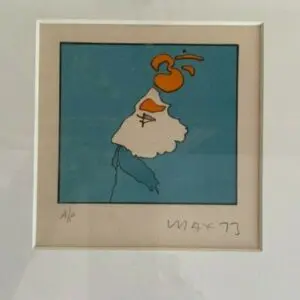
An Artist Proof (AP) is a print reserved for the artist’s personal use. In many editions, the artist proofs are limited in number, often making up 10–15% of the total run.
How They Apply to Peter Max
Peter Max commonly sets aside AP prints to inspect the print quality or to keep for his collection. Because of their scarcity and the direct association with the artist, APs can be highly sought after among collectors. An AP print from Max often comes with extra cachet since it was part of the selection set aside for his review.
2) HC – Hors Commerce
What They Are
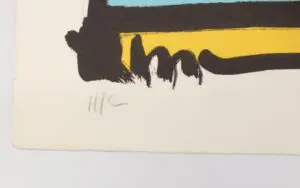
Hors Commerce (HC) translates from French to “not for sale.” Traditionally, HC proofs were used by print shops for display or promotional purposes. They are similar in quality to the numbered edition but are labeled differently and usually held back from the general market.
How They Apply to Peter Max
For a Peter Max edition, an HC proof may carry special notations or stamps on the back or the front, indicating it is an HC print. Although initially not intended for sale, HC prints sometimes make their way into the market over time. Because of their exclusivity, collectors often value these prints more than standard numbered editions.
3) MP – Museum Proofs
What They Are
Museum Proofs (MP) are a select subset of prints designated for donation or exhibition in museums. They are typically identical in quality to the main edition but are set aside expressly for institutional use.
How They Apply to Peter Max
Peter Max, a renowned figure in contemporary art, often has pieces displayed in museums worldwide. MP prints ensure that institutions can showcase his iconic work. If you come across a Museum Proof on the secondary market, it generally commands a premium due to its rarity and direct connection to museum collections.
4) Special-Limited Edition Hand-Signed Prints
What They Are
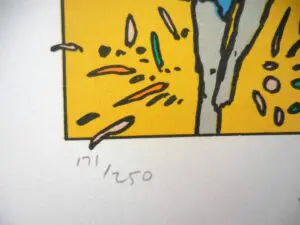
A special limited edition is a narrowly released set of prints, each individually numbered—e.g., “1/500”—and hand-signed by the artist. This signature typically appears on the lower margin of the print, lending it an extra layer of authenticity and collectability.
How They Apply to Peter Max
Many of Peter Max’s works, such as his vibrant “Quiet Lake” series (viewable at Park West Gallery), are offered as limited editions with his signature. Owning a special-limited edition Max print means you have a piece of art that not only features his iconic style but also bears his personal touch. Collectors often pay close attention to the print’s number within these editions, with the lower numbers frequently considered more prestigious.
5) Hand-Drawn Remarques
What They Are
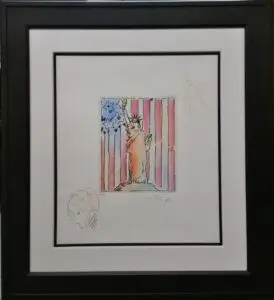
A remarque is a small, original sketch or doodle an artist adds to the print, elevating it from a standard limited edition to a one-of-a-kind collectible. Remarques can appear in the margins or on the back of the print.
How They Apply to Peter Max
Peter Max is known for his spontaneous creativity. A hand-drawn remarque might feature one of his signature doodles—stars, hearts, or cosmic imagery—making each print unique. Collectors prize these prints as they offer a glimpse into the artist’s unfiltered imagination, effectively merging print and original art.
6) Hand-Painted Editions (Mixed Media)
What They Are
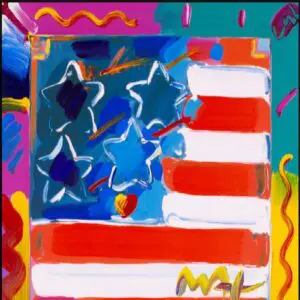
Hand-painted editions are prints that the artist embellishes with paint, ink, or other mediums, turning a standard limited edition into a mixed-media piece. Each print in these editions bears unique strokes of color or design elements added by the artist’s hand.
How They Apply to Peter Max
Given his love for bold color and freeform expression, Max often enhances prints with brushstrokes of vibrant acrylics or other media. This process blurs the line between printmaking and original painting, making each piece stand out. Hand-painted editions by Peter Max are some of the most collectible, as they each showcase a distinct variation of his iconic style.
Conclusion
Whether you’re drawn in by the neon hues of a cosmic Peter Max galaxy or the dreamlike serenity of a “Quiet Lake” scene, there’s no denying the appeal of his prints. Knowing the differences between AP (Artist Proofs), HC (Hors Commerce), MP (Museum Proofs), special-limited edition hand-signed prints, hand-drawn remarques, and hand-painted editions can help you better appreciate the craftsmanship, uniqueness, and value of each piece.
Beyond these special designations, pay attention to the numbering system—prints in a limited edition are often marked “X/XXX,” and collectors tend to prize the lower-numbered prints. As you explore the world of Peter Max prints, keep an eye out for these nuances. They’ll guide you in understanding rarity and unique features and help you develop a deeper connection to the artist’s creative vision—turning every print into a cherished centerpiece of your art collection.
Note: Peter Max personally reduced his painting activity around 2012 and gradually shifted to adding only his signature to new works. Consequently, works produced after this period are typically credited to “The Peter Max Studio” and are sanctioned by the Peter Max organization rather than being fully executed by the artist himself.
Click for more articles in Peter Max News.
Peter Max Artwork Reimagined
Through Juan Mira’s artistry, MacDonald Gallery has made it more accessible to own authentic Peter Max artwork and a hand-painted piece in one. Each work features a rare Peter Max lithograph print set within a hand-painted mat by Juan Mira, who expands the original image as an integrated painting. The result merges two creative visions into a single, vibrant composition — available exclusively in our Art and Paintings collection.
Lifetime Collector Guarantee applies to Originals and Mixed-Media works. © MacDonald Gallery, Adwin Blake, Curator.
Peter Max’s Umbrella Man: Origins, Variations, and Collector Notes
Buying Your First Fine Art Painting: 10 Key Considerations (Beginner’s Guide)
MacDonald Painting “Two Wanted Men” to be put on Display in Columbia Studio A Lobby